Contribute to PLEON by becoming a Community Scientist!
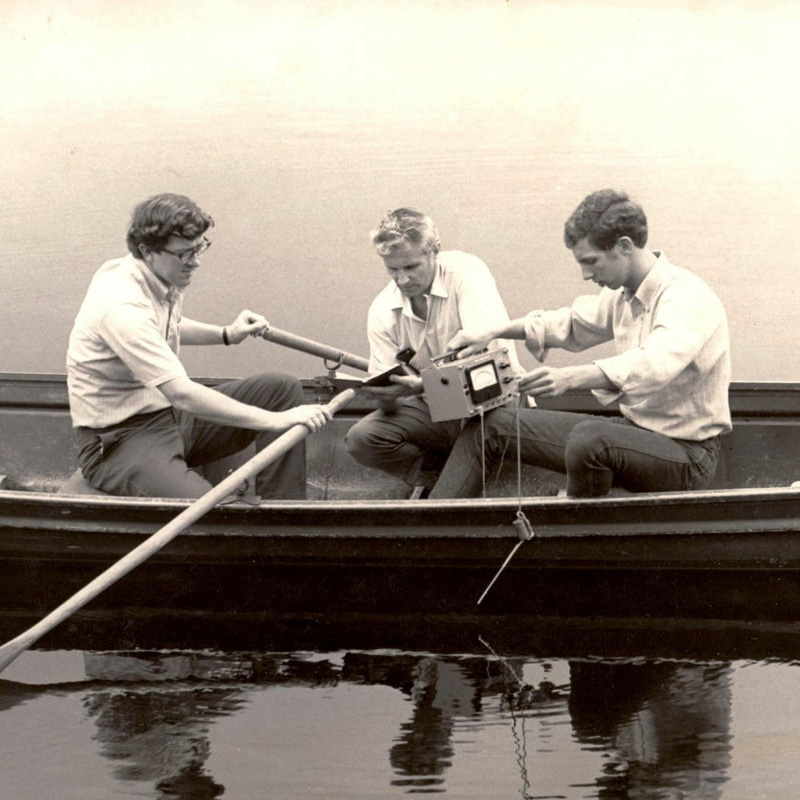
Community science is a method of scientific investigation that relies on the public to collect data. Think of it as crowdsourcing data collection. Community Scientists have helped advance science in many fields including ecology.
PLEON is recruiting Community Limnologists (scientists who study lakes) to help us monitor water quality in the Poconos. We provide the training and you provide the data! Our programs are ideal for individuals, families, and groups. Many of our programs are great for science projects as well.
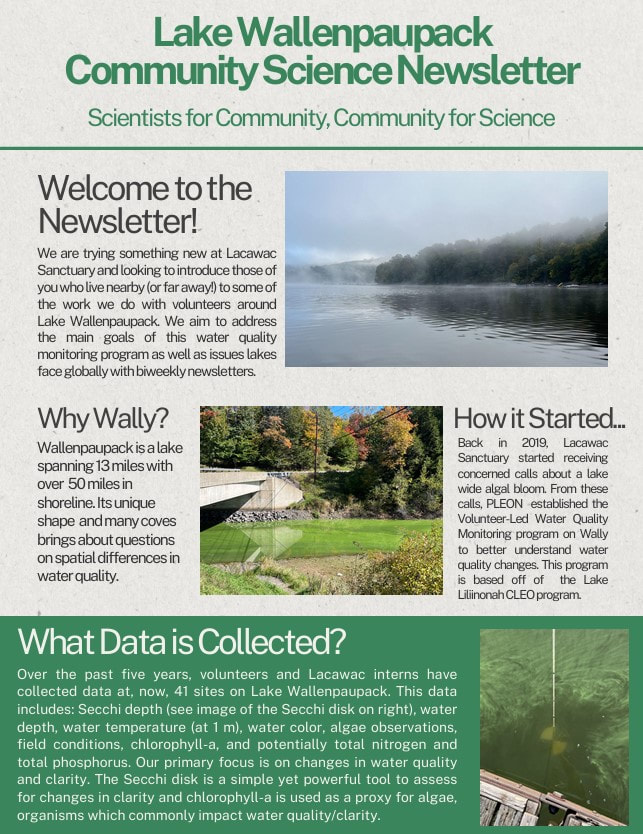
2024 PLEON Citizen Science Newsletters
If you have taken a training workshop but have more questions on data entry, Lake Observer, or sampling…
2025 Major Sponsor

The PLEON 2021 Water Quality in Action Program was financed in part by a grant from the Community Conservation Partnerships Program Environmental Stewardship Fund under the administration of the Pennsylvania Department of Conservation and Natural Resources, Bureau of Recreation and Conservation administered through the Pennsylvania Environmental Council’s Pocono Forests and Waters Conservation Landscape Mini Grant Program.

Additional funding was provided by the Robert H. Spitz Foundation administered by the Scranton Area Foundation.
Aquatic Plant Survey
Lead Scientist: Dr. Elizabeth Carroll, Holy Family University
Aquatic plants are vital components of lake ecosystems. However, several species of aquatic plants are not native to the Pocono region and can invade and take over a lake. Once established, these invasive species can be difficult and costly to remove. Help us understand the distribution of native and invasive aquatic plants in Pocono lakes by participating in the PLEON Aquatic Plant Survey. These data can help direct resources and funding to combat the spread of invasives and protect native plant communities.
How to Join:
- Attend the Ecology of Aquatic Plants workshop or read about basic aquatic plant ecology and ID here.
- Choose a calm day in July to survey your lake
- Follow the Aquatic Plant Survey protocol
- Send datasheets and samples of any suspicious plants to Elizabeth Carroll